
슬리퍼 그 이상: 신발을 바꿔 신는 일본의 의식
2022년에 최초 게재되었으며, 2026년 7월에 내용을 확장하고 새로운 통찰을 추가하여 업데이트되었습니다.
✦ 읽기 시간 약 5분 ✦
일본에서는 매일 아침, 현관에서 작은 일이 일어납니다.
외출용 신발을 벗고, 바깥세상을 뒤로 한 채, 더 부드러운 것으로 갈아 신습니다. 단 한 순간의 일이지만 — 그 순간은 의미가 있습니다.
대부분의 일본인들은 이 행동에 대해 거의 생각하지 않습니다. 신발을 벗는 것은 그저 일상의 일부가 되어버렸습니다. 그러나 이 평범한 습관은 조용히 바깥세상과 집 사이의 경계를 만들어냅니다. 한마디 말 없이도, 그것은 신호를 보냅니다: 당신은 지금 다른 곳에 있습니다. 여기서는 다르게 느끼기 시작할 수 있습니다.
🍵 우리가 신는 것이 우리의 생각을 형성합니다
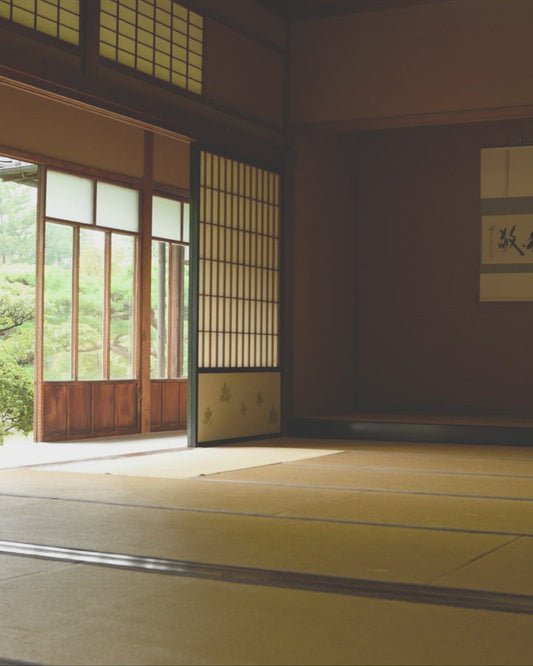
다실에 들어가기 전, 신발을 벗고 조용한 양말 차림으로 다다미 위를 걷습니다. 검도 연습 전에는 도장 바닥에 발을 딛기 전에 인사를 합니다. 일본 가정에 들어가기 전에는 신발을 벗는 것이 생각조차 하지 않는 자연스러운 일이 됩니다.
이러한 전환들은 하나하나가 작습니다. 어느 것도 많은 노력을 필요로 하지 않습니다. 그러나 놀랍도록 강력할 수 있습니다 — 작고 반복적인 행동들이 우리가 다른 존재 방식으로 들어가도록 도와주기 때문입니다.
작은 의식들은 종종 하루의 다른 부분들 사이를 전환하는 데 도움을 줍니다. 극적인 변화가 필요하지 않습니다. 신발을 바꿔 신는 것과 같은 일관된 신호 하나만으로도 마음에게 충분히 말할 수 있습니다: 이제 전환할 시간입니다.

🏠 재택근무의 문제점
오늘날 많은 사람들에게 일과 휴식 사이의 경계가 흐려졌습니다. 침실이 사무실이 되고, 부엌 식탁이 회의실이 됩니다. 출퇴근도, 사무실 입구도, 탈의실도 없이 — 마음은 하루의 한 부분에서 다음 부분으로 자연스럽게 이동하는 데 어려움을 겪습니다.
바로 이 지점에서 간단한 의식이 도움이 될 수 있습니다.
일이 시작될 때 전용 슬리퍼로 갈아 신고 — 끝날 때 다시 바꿔 신는 것만으로도 — 의미 있는 일상 의식이 될 수 있습니다. 너무 단순하게 들릴지도 모릅니다. 하지만 그 작고 반복적인 행동은 마음이 인식하기 시작하는 작은 전환을 만들어냅니다.
업무 모드. 휴식 모드. 당신이 결정합니다.
🚪 다른 공간, 다른 슬리퍼
일본에서는 공간마다 다른 슬리퍼를 사용합니다 — 엄격한 규칙이 있어서가 아니라, 각 공간마다 다른 목적이 있기 때문입니다. 방문객을 위한 손님용 슬리퍼. 화장실을 위한 화장실 슬리퍼. 외출용 신발은 현관에 그대로 둡니다.
각각의 교체는 전환입니다. 각각의 전환은 리셋입니다.
같은 논리를 일상적인 루틴에 도입할 수 있습니다 — 규칙으로서가 아니라, 리듬으로서. 물론 모든 방마다 별도의 슬리퍼가 필요한 것은 아닙니다. 핵심은 신발 그 자체가 아니라 — 전환의 순간입니다.
(이 전통에 대해서는 일본 손님용 슬리퍼에 관한 글에서 더 자세히 살펴볼 수 있습니다.)
🌿 바닥을 깨끗하게 유지하는 것 이상의 의미
일본에서 신발을 바꿔 신는 것은 바닥을 깨끗하게 유지하기 위한 것만이 아니었습니다. 그것은 또한 장소를 존중하고, 전환을 표시하며, 다음에 올 것을 위해 자신을 준비하는 행위이기도 합니다.
그 조용한 자각 — 지금 자신이 어디에 있는지, 무엇을 하려고 하는지에 대한 — 은 일상생활에 가져올 가치가 있는 것입니다.
어쩌면 그것이 신발 교체가 수백 년 동안 일본 생활의 일부로 남아있는 이유일 것입니다. 단순한 습관이지만, 모든 새로운 공간이 새로운 마음 상태를 가져올 수 있다는 것을 조용히 상기시켜 줍니다.
Heiwa Slipper에서 우리는 슬리퍼가 실내에서 신는 것 이상의 의미를 가진다고 믿습니다. 그것들은 작은 일상의 의식입니다 — 속도를 늦추고, 일상에 부드러운 리듬을 만들며, 무엇을 하든 편안함을 느끼는 방법입니다.
왜냐하면 때로는 가장 작은 의식이 가장 깊은 인상을 남기기 때문입니다.
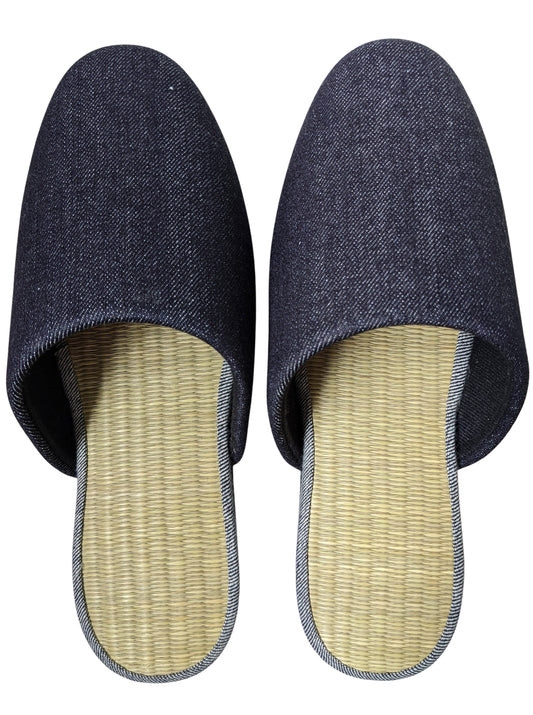


![TATAMI Denim Slippers B-Type [Black Wool Felt Sole] / Simple [Denim Hiroshima] - Heiwa Slipper](http://heiwaslipper.com/cdn/shop/products/PXL_20220625_014342749.jpg?v=1656474603&width=533)
![TATAMI Denim Slippers B-Type [Black Wool Felt Sole] / Simple [Denim Hiroshima]](http://heiwaslipper.com/cdn/shop/products/01c5f57e8fd14c23a43ae25accc9782c.thumbnail.0000000.jpg?v=1656474595&width=533)


![Wood summer Indoor slippers YORU [Indoor] - Heiwa Slipper](http://heiwaslipper.com/cdn/shop/products/PXL_20220305_023859778_b6eb97cf-5b3f-4cb3-8b27-dc6175a726a3.jpg?v=1676772560&width=533)
![Wood summer Indoor slippers YORU [Indoor] - Heiwa Slipper](http://heiwaslipper.com/cdn/shop/products/221dbc310353bfdfe8747210eafe6a96_9611d4d2-ef9b-4b06-b357-9f4f825470c8.jpg?v=1676772560&width=533)
![Wood Unpainted Natural GETA ZOURI Slippers [Outdoor] - Heiwa Slipper](http://heiwaslipper.com/cdn/shop/products/PXL_20230205_021218589.jpg?v=1675997531&width=533)
![Wood Unpainted Natural GETA ZOURI Slippers [Outdoor]](http://heiwaslipper.com/cdn/shop/products/4bd6786738cd4777af9a25d3005e7fec.thumbnail.0000000000.jpg?v=1675736665&width=533)
![Black Wood painted GETA Slippers [Outdoor / Indoor] - Heiwa Slipper](http://heiwaslipper.com/cdn/shop/products/PXL_20230205_014733671.jpg?v=1676343138&width=533)
![Black Wood painted GETA Slippers [Outdoor / Indoor]](http://heiwaslipper.com/cdn/shop/products/6743267dad824b0787df8618829f743d.thumbnail.0000000000.jpg?v=1676341291&width=533)
![Uwabaki Type #01 [Cobalt blue] Japan made school indoor shoes - Heiwa Slipper](http://heiwaslipper.com/cdn/shop/files/1_774e840e-b3c1-4a23-b85f-df7b8ceacf02.jpg?v=1734232769&width=533)
![Uwabaki Type #01 [Cobalt blue] Japan made school indoor shoes - Heiwa Slipper](http://heiwaslipper.com/cdn/shop/files/2_e1a26258-95fd-461d-a07c-a2028b8334c0.jpg?v=1734232769&width=533)
![Uwabaki Type #01 [Blue] Japan made school indoor shoes - Heiwa Slipper](http://heiwaslipper.com/cdn/shop/files/1_b6310388-146d-4db8-8fc6-9efea05e5cdd.jpg?v=1730601209&width=533)
![Uwabaki Type #01 [Blue] Japan made school indoor shoes](http://heiwaslipper.com/cdn/shop/files/preview_images/00ddc0ebe039486ba930ba1484c6abff.thumbnail.0000000000.jpg?v=1730601987&width=533)

![Uwabaki Type #01 [White] Japan made school indoor shoes](http://heiwaslipper.com/cdn/shop/files/preview_images/8b07db1bea8544409ca9b26f3995178f.thumbnail.0000000000.jpg?v=1716774889&width=533)
![Uwabaki Type #01 [Red] Japan made school indoor shoes - Heiwa Slipper](http://heiwaslipper.com/cdn/shop/files/1_b6a613f3-7a33-4747-b00f-9af7dd1dce5f.jpg?v=1734234054&width=533)
![Uwabaki Type #01 [Red] Japan made school indoor shoes - Heiwa Slipper](http://heiwaslipper.com/cdn/shop/files/2_d39644c6-6955-4644-98c4-0b1fde3d6db2.jpg?v=1734234054&width=533)
![Black Gold Triangle Shiny Slippers [Large / XL] - Heiwa Slipper](http://heiwaslipper.com/cdn/shop/products/PXL_20220911_020329137.jpg?v=1668920339&width=533)
![Black Gold Triangle Shiny Slippers [Large / XL] - Heiwa Slipper](http://heiwaslipper.com/cdn/shop/products/PXL_20220911_020348548.jpg?v=1668920313&width=533)
![Medium | Knit up-cycle slippers 2024-M120 [Medium]](http://heiwaslipper.com/cdn/shop/files/1_74e6bb20-9457-4005-b920-1da4aa2fc0d3.jpg?v=1731672250&width=533)
![Medium | Knit up-cycle slippers 2024-M120 [Medium]](http://heiwaslipper.com/cdn/shop/files/4_787e681d-8081-496a-bc25-b24dab67d34f.jpg?v=1731672250&width=533)
![Medium | Knit up-cycle slippers 2024-M119 [Medium]](http://heiwaslipper.com/cdn/shop/files/1_f559f61a-b720-4b6c-9379-974266bdddeb.jpg?v=1731671453&width=533)
![Medium | Knit up-cycle slippers 2024-M119 [Medium]](http://heiwaslipper.com/cdn/shop/files/5_c7010731-884e-4374-a501-69bce7f7164a.jpg?v=1731671453&width=533)
![Medium | Knit up-cycle slippers 2024-M118 [Medium]](http://heiwaslipper.com/cdn/shop/files/1_4f7f701e-bcb4-469a-b9bc-7cfbec1bf50f.jpg?v=1731670790&width=533)
![Medium | Knit up-cycle slippers 2024-M118 [Medium]](http://heiwaslipper.com/cdn/shop/files/4_5526ef4a-899c-4a92-843e-bd5022a7b922.jpg?v=1731670789&width=533)
![Medium | Knit up-cycle slippers 2024-M117 [Medium]](http://heiwaslipper.com/cdn/shop/files/1_da150a42-c6f5-4fc7-95cc-696990456578.jpg?v=1731669514&width=533)
![Medium | Knit up-cycle slippers 2024-M117 [Medium]](http://heiwaslipper.com/cdn/shop/files/4_c8f22448-bb97-4d00-909b-713256757b57.jpg?v=1731669513&width=533)
![Medium | Knit up-cycle slippers 2024-M116 [Medium] - Heiwa Slipper](http://heiwaslipper.com/cdn/shop/files/1_77365f74-aab6-4356-9b7f-90ba42d47f4e.jpg?v=1731668957&width=533)
![Medium | Knit up-cycle slippers 2024-M116 [Medium] - Heiwa Slipper](http://heiwaslipper.com/cdn/shop/files/5_d910f8da-39c2-4f8f-83f2-f67a4efd89ad.jpg?v=1731668957&width=533)
![Medium | Knit up-cycle slippers 2024-M115 [Medium]](http://heiwaslipper.com/cdn/shop/files/1_22b912db-7a3b-4e60-9efa-290d27cbf2de.jpg?v=1731642622&width=533)
![Medium | Knit up-cycle slippers 2024-M115 [Medium]](http://heiwaslipper.com/cdn/shop/files/2_59ac7cff-bc23-425e-8ad6-2753017e34b9.jpg?v=1731642622&width=533)
![Medium | Knit up-cycle slippers 2024-M114 [Medium]](http://heiwaslipper.com/cdn/shop/files/1_23cd6836-0c59-41e8-b11e-5f1b9a9e1db4.jpg?v=1731641964&width=533)
![Medium | Knit up-cycle slippers 2024-M114 [Medium]](http://heiwaslipper.com/cdn/shop/files/5_63997f3b-9e8b-406d-a486-361737300d21.jpg?v=1731641963&width=533)
![Medium | Knit up-cycle slippers 2024-M113 [Medium]](http://heiwaslipper.com/cdn/shop/files/1_a377de3c-c6f5-4868-bf59-1ad164dd6c67.jpg?v=1731641270&width=533)
![Medium | Knit up-cycle slippers 2024-M113 [Medium]](http://heiwaslipper.com/cdn/shop/files/4_b70af802-9ca5-43bb-8036-d5e8141d55c1.jpg?v=1731641270&width=533)
![Medium | Knit up-cycle slippers 2024-M112 [Medium]](http://heiwaslipper.com/cdn/shop/files/1_2b43d953-aa8c-49ca-9f11-f88334b75ed5.jpg?v=1731639427&width=533)
![Medium | Knit up-cycle slippers 2024-M112 [Medium]](http://heiwaslipper.com/cdn/shop/files/4_c6a2d9e1-8c7a-4060-9950-17817b75ac96.jpg?v=1731639427&width=533)
![Medium | Knit up-cycle slippers 2024-M111 [Medium]](http://heiwaslipper.com/cdn/shop/files/1_99a9047c-a2fd-4843-84d3-2225abfca327.jpg?v=1731638613&width=533)
![Medium | Knit up-cycle slippers 2024-M111 [Medium]](http://heiwaslipper.com/cdn/shop/files/2_47aebdf4-72c8-417e-b084-11ecb43fb627.jpg?v=1731638613&width=533)
![Medium | Knit up-cycle slippers 2024-M110 [Medium]](http://heiwaslipper.com/cdn/shop/files/1_5ce71ce4-d1e1-4e4b-926e-965373d6f956.jpg?v=1731587890&width=533)
![Medium | Knit up-cycle slippers 2024-M110 [Medium]](http://heiwaslipper.com/cdn/shop/files/4_83216e03-5cbf-4018-be81-db22572f752a.jpg?v=1731587890&width=533)
![Medium | Knit up-cycle slippers 2024-M109 [Medium]](http://heiwaslipper.com/cdn/shop/files/1_39fbaa6d-d89d-4252-ba57-4ab08c97e18b.jpg?v=1731587213&width=533)
![Medium | Knit up-cycle slippers 2024-M109 [Medium]](http://heiwaslipper.com/cdn/shop/files/4_69c82117-f469-413e-a9e1-b65ee9be909a.jpg?v=1731587212&width=533)
![Uwabaki Type #01 [Yellow] Japan made school indoor shoes - Heiwa Slipper](http://heiwaslipper.com/cdn/shop/files/PXL_20231203_013919940_2cb6643e-3792-4570-a478-48e9292dd66e.jpg?v=1716433566&width=533)
![Uwabaki Type #01 [Yellow] Japan made school indoor shoes - Heiwa Slipper](http://heiwaslipper.com/cdn/shop/files/PXL_20231203_013924997_6ec89008-e83d-49be-a754-189a4394f3d7.jpg?v=1716433310&width=533)
![Uwabaki Type #01 [Green] Japan made school indoor shoes](http://heiwaslipper.com/cdn/shop/files/1_0e97bd6f-50fa-4892-865f-d3a8de9c6c47.jpg?v=1730601600&width=533)
![Uwabaki Type #01 [Green] Japan made school indoor shoes](http://heiwaslipper.com/cdn/shop/files/preview_images/a0e1cab212ce428ea71baffd633ef028.thumbnail.0000000000.jpg?v=1730602087&width=533)