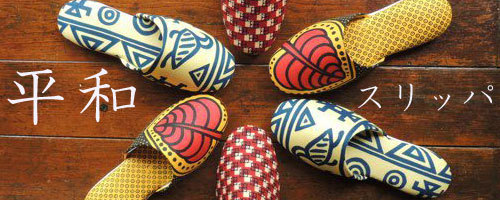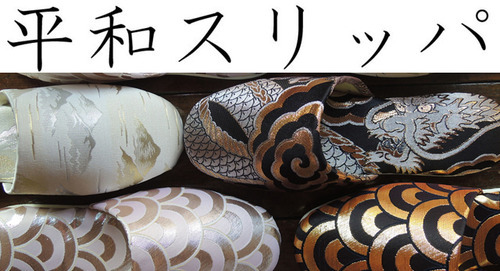

Japanese "slippers" play an important role in entertaining guests
The Japanese Tradition of Guest Slippers
In Japan, slippers are more than just comfortable footwear — they are a reflection of hospitality, respect, and the deep-rooted culture of omotenashi. And nowhere is this more evident than when guests come to visit.

Guest slippers: a small gesture with deep meaning
In a Japanese household, it is common to keep a separate set of slippers specifically for guests. These are not the everyday slippers used by the family — they are slightly more special, often cleaner, newer, or more elegant in design.
Offering a guest their own pair of slippers is a quiet but meaningful act. It says: "You are welcome here. Please feel at home."

What is omotenashi?
Omotenashi (おもてなし) is the Japanese concept of wholehearted hospitality — anticipating the needs of guests before they even ask. It is not about grand gestures, but about thoughtful details. A fresh pair of slippers waiting at the entrance is a perfect example of this spirit in everyday life.
What makes a good pair of guest slippers?
When selecting guest slippers, Japanese households typically look for:
- Clean, simple design — neutral colors that suit any guest
- Comfortable fit — open-toe styles that fit a range of foot sizes
- Natural materials — cotton, igusa (rush grass), or soft fabric for a welcoming feel
- Easy to clean — so they are always fresh and ready
At Heiwa Slipper, every pair is crafted in Japan by skilled artisans using natural materials and traditional techniques, bringing the spirit of Japanese hospitality into modern homes around the world.
✨ Did you know?
- 🏠 Many Japanese homes keep a few pairs of guest slippers ready for visitors.
- 🚽 There are also separate toilet slippers used only in the bathroom.
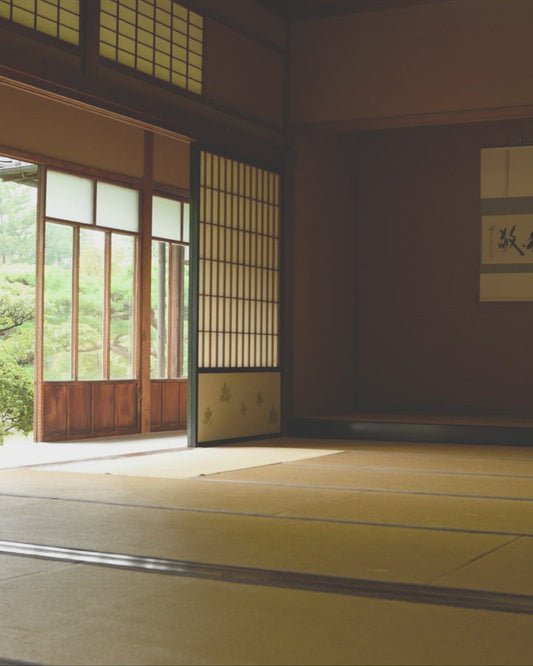
- 🌿 Tatami rooms are typically entered barefoot — no slippers allowed.
- 🏨 Many traditional inns (ryokan) prepare freshly sanitized slippers for arriving guests.
📖 Learn more
Learn about Japanese slipper culture
Welcome your guests with authentic Japanese hospitality.
Explore Guest Slippers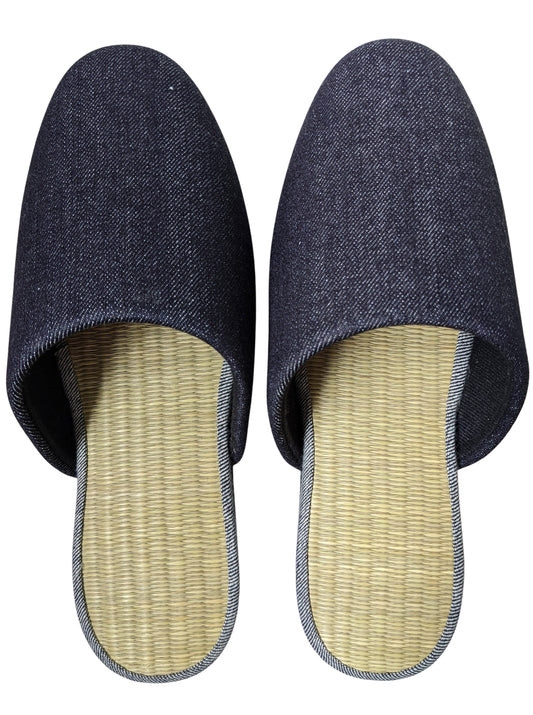


![TATAMI Denim Slippers B-Type [Black Wool Felt Sole] / Simple [Denim Hiroshima] - Heiwa Slipper](http://heiwaslipper.com/cdn/shop/products/PXL_20220625_014342749.jpg?v=1656474603&width=533)
![TATAMI Denim Slippers B-Type [Black Wool Felt Sole] / Simple [Denim Hiroshima]](http://heiwaslipper.com/cdn/shop/products/01c5f57e8fd14c23a43ae25accc9782c.thumbnail.0000000.jpg?v=1656474595&width=533)


![Wood summer Indoor slippers YORU [Indoor] - Heiwa Slipper](http://heiwaslipper.com/cdn/shop/products/PXL_20220305_023859778_b6eb97cf-5b3f-4cb3-8b27-dc6175a726a3.jpg?v=1676772560&width=533)
![Wood summer Indoor slippers YORU [Indoor] - Heiwa Slipper](http://heiwaslipper.com/cdn/shop/products/221dbc310353bfdfe8747210eafe6a96_9611d4d2-ef9b-4b06-b357-9f4f825470c8.jpg?v=1676772560&width=533)
![Wood Unpainted Natural GETA ZOURI Slippers [Outdoor] - Heiwa Slipper](http://heiwaslipper.com/cdn/shop/products/PXL_20230205_021218589.jpg?v=1675997531&width=533)
![Wood Unpainted Natural GETA ZOURI Slippers [Outdoor]](http://heiwaslipper.com/cdn/shop/products/4bd6786738cd4777af9a25d3005e7fec.thumbnail.0000000000.jpg?v=1675736665&width=533)
![Black Wood painted GETA Slippers [Outdoor / Indoor] - Heiwa Slipper](http://heiwaslipper.com/cdn/shop/products/PXL_20230205_014733671.jpg?v=1676343138&width=533)
![Black Wood painted GETA Slippers [Outdoor / Indoor]](http://heiwaslipper.com/cdn/shop/products/6743267dad824b0787df8618829f743d.thumbnail.0000000000.jpg?v=1676341291&width=533)
![Uwabaki Type #01 [Cobalt blue] Japan made school indoor shoes - Heiwa Slipper](http://heiwaslipper.com/cdn/shop/files/1_774e840e-b3c1-4a23-b85f-df7b8ceacf02.jpg?v=1734232769&width=533)
![Uwabaki Type #01 [Cobalt blue] Japan made school indoor shoes - Heiwa Slipper](http://heiwaslipper.com/cdn/shop/files/2_e1a26258-95fd-461d-a07c-a2028b8334c0.jpg?v=1734232769&width=533)
![Uwabaki Type #01 [Blue] Japan made school indoor shoes - Heiwa Slipper](http://heiwaslipper.com/cdn/shop/files/1_b6310388-146d-4db8-8fc6-9efea05e5cdd.jpg?v=1730601209&width=533)
![Uwabaki Type #01 [Blue] Japan made school indoor shoes](http://heiwaslipper.com/cdn/shop/files/preview_images/00ddc0ebe039486ba930ba1484c6abff.thumbnail.0000000000.jpg?v=1730601987&width=533)

![Uwabaki Type #01 [White] Japan made school indoor shoes](http://heiwaslipper.com/cdn/shop/files/preview_images/8b07db1bea8544409ca9b26f3995178f.thumbnail.0000000000.jpg?v=1716774889&width=533)
![Uwabaki Type #01 [Red] Japan made school indoor shoes - Heiwa Slipper](http://heiwaslipper.com/cdn/shop/files/1_b6a613f3-7a33-4747-b00f-9af7dd1dce5f.jpg?v=1734234054&width=533)
![Uwabaki Type #01 [Red] Japan made school indoor shoes - Heiwa Slipper](http://heiwaslipper.com/cdn/shop/files/2_d39644c6-6955-4644-98c4-0b1fde3d6db2.jpg?v=1734234054&width=533)
![Black Gold Triangle Shiny Slippers [Large / XL] - Heiwa Slipper](http://heiwaslipper.com/cdn/shop/products/PXL_20220911_020329137.jpg?v=1668920339&width=533)
![Black Gold Triangle Shiny Slippers [Large / XL] - Heiwa Slipper](http://heiwaslipper.com/cdn/shop/products/PXL_20220911_020348548.jpg?v=1668920313&width=533)
![Medium | Knit up-cycle slippers 2024-M120 [Medium]](http://heiwaslipper.com/cdn/shop/files/1_74e6bb20-9457-4005-b920-1da4aa2fc0d3.jpg?v=1731672250&width=533)
![Medium | Knit up-cycle slippers 2024-M120 [Medium]](http://heiwaslipper.com/cdn/shop/files/4_787e681d-8081-496a-bc25-b24dab67d34f.jpg?v=1731672250&width=533)
![Medium | Knit up-cycle slippers 2024-M119 [Medium]](http://heiwaslipper.com/cdn/shop/files/1_f559f61a-b720-4b6c-9379-974266bdddeb.jpg?v=1731671453&width=533)
![Medium | Knit up-cycle slippers 2024-M119 [Medium]](http://heiwaslipper.com/cdn/shop/files/5_c7010731-884e-4374-a501-69bce7f7164a.jpg?v=1731671453&width=533)
![Medium | Knit up-cycle slippers 2024-M118 [Medium]](http://heiwaslipper.com/cdn/shop/files/1_4f7f701e-bcb4-469a-b9bc-7cfbec1bf50f.jpg?v=1731670790&width=533)
![Medium | Knit up-cycle slippers 2024-M118 [Medium]](http://heiwaslipper.com/cdn/shop/files/4_5526ef4a-899c-4a92-843e-bd5022a7b922.jpg?v=1731670789&width=533)
![Medium | Knit up-cycle slippers 2024-M117 [Medium]](http://heiwaslipper.com/cdn/shop/files/1_da150a42-c6f5-4fc7-95cc-696990456578.jpg?v=1731669514&width=533)
![Medium | Knit up-cycle slippers 2024-M117 [Medium]](http://heiwaslipper.com/cdn/shop/files/4_c8f22448-bb97-4d00-909b-713256757b57.jpg?v=1731669513&width=533)
![Medium | Knit up-cycle slippers 2024-M116 [Medium] - Heiwa Slipper](http://heiwaslipper.com/cdn/shop/files/1_77365f74-aab6-4356-9b7f-90ba42d47f4e.jpg?v=1731668957&width=533)
![Medium | Knit up-cycle slippers 2024-M116 [Medium] - Heiwa Slipper](http://heiwaslipper.com/cdn/shop/files/5_d910f8da-39c2-4f8f-83f2-f67a4efd89ad.jpg?v=1731668957&width=533)
![Medium | Knit up-cycle slippers 2024-M115 [Medium]](http://heiwaslipper.com/cdn/shop/files/1_22b912db-7a3b-4e60-9efa-290d27cbf2de.jpg?v=1731642622&width=533)
![Medium | Knit up-cycle slippers 2024-M115 [Medium]](http://heiwaslipper.com/cdn/shop/files/2_59ac7cff-bc23-425e-8ad6-2753017e34b9.jpg?v=1731642622&width=533)
![Medium | Knit up-cycle slippers 2024-M114 [Medium]](http://heiwaslipper.com/cdn/shop/files/1_23cd6836-0c59-41e8-b11e-5f1b9a9e1db4.jpg?v=1731641964&width=533)
![Medium | Knit up-cycle slippers 2024-M114 [Medium]](http://heiwaslipper.com/cdn/shop/files/5_63997f3b-9e8b-406d-a486-361737300d21.jpg?v=1731641963&width=533)
![Medium | Knit up-cycle slippers 2024-M113 [Medium]](http://heiwaslipper.com/cdn/shop/files/1_a377de3c-c6f5-4868-bf59-1ad164dd6c67.jpg?v=1731641270&width=533)
![Medium | Knit up-cycle slippers 2024-M113 [Medium]](http://heiwaslipper.com/cdn/shop/files/4_b70af802-9ca5-43bb-8036-d5e8141d55c1.jpg?v=1731641270&width=533)
![Medium | Knit up-cycle slippers 2024-M112 [Medium]](http://heiwaslipper.com/cdn/shop/files/1_2b43d953-aa8c-49ca-9f11-f88334b75ed5.jpg?v=1731639427&width=533)
![Medium | Knit up-cycle slippers 2024-M112 [Medium]](http://heiwaslipper.com/cdn/shop/files/4_c6a2d9e1-8c7a-4060-9950-17817b75ac96.jpg?v=1731639427&width=533)
![Medium | Knit up-cycle slippers 2024-M111 [Medium]](http://heiwaslipper.com/cdn/shop/files/1_99a9047c-a2fd-4843-84d3-2225abfca327.jpg?v=1731638613&width=533)
![Medium | Knit up-cycle slippers 2024-M111 [Medium]](http://heiwaslipper.com/cdn/shop/files/2_47aebdf4-72c8-417e-b084-11ecb43fb627.jpg?v=1731638613&width=533)
![Medium | Knit up-cycle slippers 2024-M110 [Medium]](http://heiwaslipper.com/cdn/shop/files/1_5ce71ce4-d1e1-4e4b-926e-965373d6f956.jpg?v=1731587890&width=533)
![Medium | Knit up-cycle slippers 2024-M110 [Medium]](http://heiwaslipper.com/cdn/shop/files/4_83216e03-5cbf-4018-be81-db22572f752a.jpg?v=1731587890&width=533)
![Medium | Knit up-cycle slippers 2024-M109 [Medium]](http://heiwaslipper.com/cdn/shop/files/1_39fbaa6d-d89d-4252-ba57-4ab08c97e18b.jpg?v=1731587213&width=533)
![Medium | Knit up-cycle slippers 2024-M109 [Medium]](http://heiwaslipper.com/cdn/shop/files/4_69c82117-f469-413e-a9e1-b65ee9be909a.jpg?v=1731587212&width=533)
![Uwabaki Type #01 [Yellow] Japan made school indoor shoes - Heiwa Slipper](http://heiwaslipper.com/cdn/shop/files/PXL_20231203_013919940_2cb6643e-3792-4570-a478-48e9292dd66e.jpg?v=1716433566&width=533)
![Uwabaki Type #01 [Yellow] Japan made school indoor shoes - Heiwa Slipper](http://heiwaslipper.com/cdn/shop/files/PXL_20231203_013924997_6ec89008-e83d-49be-a754-189a4394f3d7.jpg?v=1716433310&width=533)
![Uwabaki Type #01 [Green] Japan made school indoor shoes](http://heiwaslipper.com/cdn/shop/files/1_0e97bd6f-50fa-4892-865f-d3a8de9c6c47.jpg?v=1730601600&width=533)
![Uwabaki Type #01 [Green] Japan made school indoor shoes](http://heiwaslipper.com/cdn/shop/files/preview_images/a0e1cab212ce428ea71baffd633ef028.thumbnail.0000000000.jpg?v=1730602087&width=533)