
清涼夏日步伐:榻榻米拖鞋的千年古老秘密
分類:健康生活 · 夏日居家 · 日本工藝 | 閱讀時間:7分鐘
前言
每個夏天,同樣的問題一再出現:地板散發熱氣、雙腳汗水不止,而拖鞋只會讓一切更糟。如果解決方案早在8世紀就已融入日本家居生活中,那會如何?
榻榻米拖鞋並非健康潮流,而是藺草(igusa)——日本燈心草——的實際應用。這種天然材料具有獨特的結構特性,超過1,300年來一直適合室內生活使用。
榻榻米究竟是什麼?
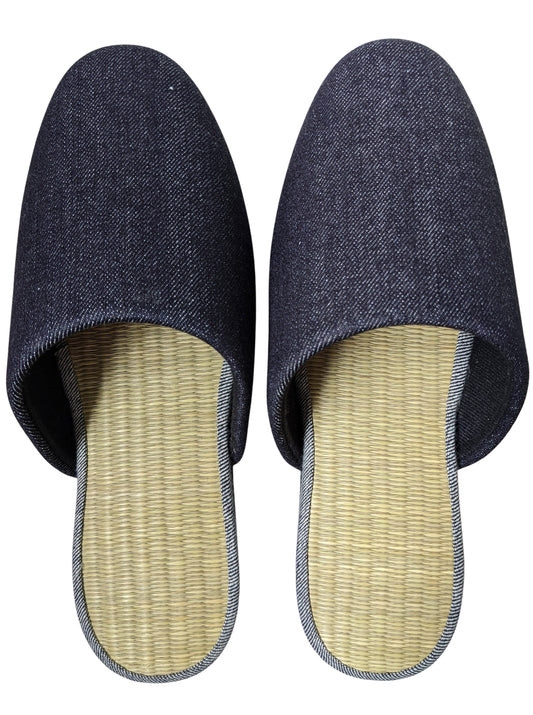
榻榻米是一種傳統日本地板材料,由藺草編織而成。藺草是一種燈心草,在初夏莖稈最柔韌時採收。熟練的工匠將草編織成緻密、有結構的表面。這種材料天然具有吸收並逐漸釋放水分的特性,與合成材料相比,踩踏時感覺較不黏膩。
當這種材料用於拖鞋鞋底時,這些特性便直接與您的雙腳接觸。
關於藺草,值得了解的三件事
- 超過1,300年的日常使用歷史:現存最古老的榻榻米保存於奈良東大寺正倉院,可追溯至8世紀奈良時代。這並非近期才被推廣的材料——它在日本日常生活中有著悠久且有據可查的歷史。
- 透過結構吸收並釋放水分:藺草纖維多孔的中空結構能吸收水分並緩慢釋放。與密封的合成材料相比,這往往使表面感覺更乾爽,但實際效果因使用條件和方式而異。
- 吸附氣味的特性:藺草含有葉綠素及其他有機化合物,已知具有吸附氣味的效果。此效果的程度取決於使用環境及拖鞋的保養狀況。
為何雙腳在夏天容易過熱——藺草的作用
腳部擁有高密度的汗腺,是身體在夏季排汗最活躍的部位之一。許多常見的拖鞋材料會將水分困在皮膚表面,長期下來造成不適和異味。
藺草纖維的中空結構能將水分從表面帶走,並讓其透過編織結構散發——原理類似亞麻布在夏季服裝中的表現。話雖如此,在大量出汗或長時間使用的情況下,材料的吸濕能力有其極限,定期通風對維持性能至關重要。
使用榻榻米拖鞋的預期效果
開放透氣的編織結構
藺草的結構比閉孔泡棉或緊密編織的合成材料允許更多空氣流動。許多使用者發現這能減少腳部積熱的感覺,但個人體驗因人而異。
吸濕與釋放的循環
使用時,材料會吸收汗水。使用後,將拖鞋通風可讓水分釋放。維持這個循環是保持拖鞋清新和功能性的關鍵。
氣味吸附
藺草天然具有吸附氣味的傾向。新拖鞋帶有新鮮燈心草的特有香氣,隨使用逐漸淡化。隨著時間推移,材料持續幫助管理氣味,尤其是在每次使用後妥善通風的情況下。
腳底觸感
編織表面與平底拖鞋相比創造出獨特的觸感。個人喜好各異,但許多使用者覺得舒適且有質感——尤其是赤腳穿著時。
榻榻米 vs. 常見拖鞋材料

| 特性 | 榻榻米(燈心草) | 棉質毛圈布 | EVA泡棉 | 超細纖維 |
|---|---|---|---|---|
| 夏季透氣性 | ◎ | ○ | △ | ○ |
| 吸濕排汗 | ◎ | ○ | △ | ○ |
| 氣味吸附 | ○(天然特性) | △ | △ | △ |
| 材料來源 | 天然/可生物降解 | 天然 | 合成 | 合成 |
| 赤腳觸感 | 有紋理、紮實 | 柔軟、蓬鬆 | 有緩衝感 | 柔軟 |
結果因個人、產品及使用條件而異。
日式夏日晨間儀式
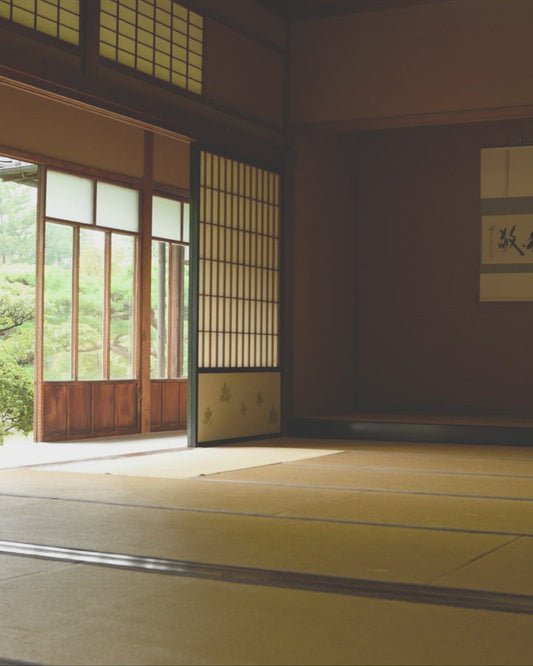
在傳統日本家居中,踏上榻榻米標誌著一種轉換——從外到內,從動到靜。榻榻米拖鞋提供了這種轉換的小小版本,讓世界各地的家庭都能體驗。
清涼晨起:簡單四步驟
第一步——起床後立刻穿上榻榻米拖鞋。
編織表面的紋理立即喚醒對雙腳的感知。這是開始新一天的寧靜而踏實的方式。
第二步——打開窗戶。
早晨的空氣有助於將濕氣帶出房間,與藺草釋放水分的特性自然配合。即使只是幾分鐘的通風也能帶來改變。
第三步——泡一杯清涼飲品。
麥茶——烘焙大麥茶——是日本傳統的無咖啡因夏季飲品。這個簡單的習慣與更緩慢、更從容的一天開始完美搭配。
第四步——收納前先通風。
使用後,將拖鞋放在陰涼通風處約20分鐘。這能讓吸收的水分散發,有助於保持材料的良好狀態。
榻榻米拖鞋的保養方法
藺草的保養相對簡單,但幾個一致的習慣將對使用壽命和清新度產生顯著差異。
- 每日通風。每次使用後在陰涼通風處放置約20分鐘。避免直射陽光,長期暴曬可能導致褪色和乾燥。
- 輕柔刷拭。使用乾燥的軟毛刷沿編織紋理方向刷去灰塵和表面顆粒。
- 勿用水清洗。將藺草浸泡或機洗可能導致變形和發霉。若有液體濺灑,立即用乾布吸乾並充分晾乾。
- 存放於通風處。避免密封袋或潮濕的儲存環境。即使不使用時,材料也需要空氣流通。
- 用少量水分恢復僵硬纖維。若編織變得乾燥僵硬,極少量的水霧可幫助恢復一些彈性。請謹慎使用。
結語
榻榻米拖鞋在夏季的優勢顯而易見:藺草是一種天然材料,其結構在管理水分和氣流方面往往優於許多合成替代品。這不是行銷說詞——這正是日本家居使用它超過1,300年的原因。
如果您希望在不依賴合成材料的情況下解決夏季腳部的熱度和濕氣問題,榻榻米拖鞋值得考慮。
從地面開始,迎接更清涼、更寧靜的夏天。
選購 Heiwa Slipper 榻榻米拖鞋
準備好親身體驗藺草了嗎?瀏覽我們的完整系列或探索以下熱門款式。


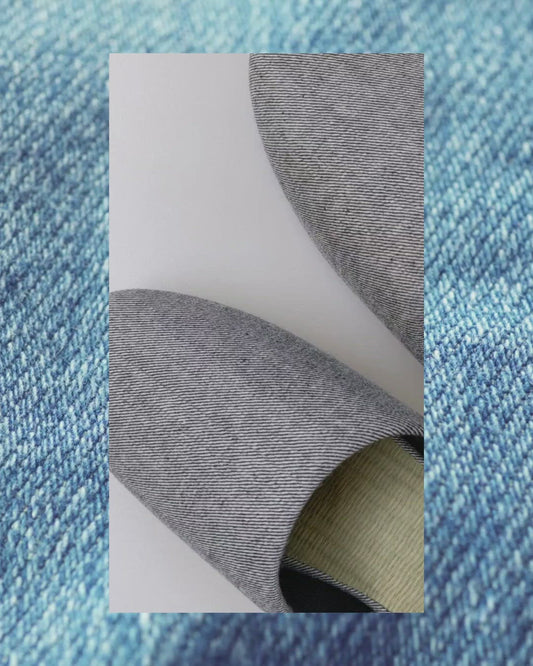
![TATAMI Denim Slippers B-Type [Black Wool Felt Sole] / Simple [Denim Hiroshima] - Heiwa Slipper](http://heiwaslipper.com/cdn/shop/products/PXL_20220625_014342749.jpg?v=1656474603&width=533)


![Wood summer Indoor slippers YORU [Indoor] - Heiwa Slipper](http://heiwaslipper.com/cdn/shop/products/PXL_20220305_023859778_b6eb97cf-5b3f-4cb3-8b27-dc6175a726a3.jpg?v=1676772560&width=533)
![Wood summer Indoor slippers YORU [Indoor] - Heiwa Slipper](http://heiwaslipper.com/cdn/shop/products/221dbc310353bfdfe8747210eafe6a96_9611d4d2-ef9b-4b06-b357-9f4f825470c8.jpg?v=1676772560&width=533)
![Wood Unpainted Natural GETA ZOURI Slippers [Outdoor] - Heiwa Slipper](http://heiwaslipper.com/cdn/shop/products/PXL_20230205_021218589.jpg?v=1675997531&width=533)
![Wood Unpainted Natural GETA ZOURI Slippers [Outdoor]](http://heiwaslipper.com/cdn/shop/products/4bd6786738cd4777af9a25d3005e7fec.thumbnail.0000000000.jpg?v=1675736665&width=533)
![Black Wood painted GETA Slippers [Outdoor / Indoor] - Heiwa Slipper](http://heiwaslipper.com/cdn/shop/products/PXL_20230205_014733671.jpg?v=1676343138&width=533)
![Black Wood painted GETA Slippers [Outdoor / Indoor]](http://heiwaslipper.com/cdn/shop/products/6743267dad824b0787df8618829f743d.thumbnail.0000000000.jpg?v=1676341291&width=533)
![Uwabaki Type #01 [Cobalt blue] Japan made school indoor shoes - Heiwa Slipper](http://heiwaslipper.com/cdn/shop/files/1_774e840e-b3c1-4a23-b85f-df7b8ceacf02.jpg?v=1734232769&width=533)
![Uwabaki Type #01 [Cobalt blue] Japan made school indoor shoes - Heiwa Slipper](http://heiwaslipper.com/cdn/shop/files/2_e1a26258-95fd-461d-a07c-a2028b8334c0.jpg?v=1734232769&width=533)
![Uwabaki Type #01 [Blue] Japan made school indoor shoes - Heiwa Slipper](http://heiwaslipper.com/cdn/shop/files/1_b6310388-146d-4db8-8fc6-9efea05e5cdd.jpg?v=1730601209&width=533)
![Uwabaki Type #01 [Blue] Japan made school indoor shoes](http://heiwaslipper.com/cdn/shop/files/preview_images/00ddc0ebe039486ba930ba1484c6abff.thumbnail.0000000000.jpg?v=1730601987&width=533)
![Uwabaki Type #01 [Red] Japan made school indoor shoes - Heiwa Slipper](http://heiwaslipper.com/cdn/shop/files/1_b6a613f3-7a33-4747-b00f-9af7dd1dce5f.jpg?v=1734234054&width=533)
![Uwabaki Type #01 [Red] Japan made school indoor shoes - Heiwa Slipper](http://heiwaslipper.com/cdn/shop/files/2_d39644c6-6955-4644-98c4-0b1fde3d6db2.jpg?v=1734234054&width=533)

![Uwabaki Type #01 [White] Japan made school indoor shoes](http://heiwaslipper.com/cdn/shop/files/preview_images/8b07db1bea8544409ca9b26f3995178f.thumbnail.0000000000.jpg?v=1716774889&width=533)
![Black Gold Triangle Shiny Slippers [Large / XL] - Heiwa Slipper](http://heiwaslipper.com/cdn/shop/products/PXL_20220911_020329137.jpg?v=1668920339&width=533)
![Black Gold Triangle Shiny Slippers [Large / XL] - Heiwa Slipper](http://heiwaslipper.com/cdn/shop/products/PXL_20220911_020348548.jpg?v=1668920313&width=533)
![Medium | Knit up-cycle slippers 2024-M120 [Medium]](http://heiwaslipper.com/cdn/shop/files/1_74e6bb20-9457-4005-b920-1da4aa2fc0d3.jpg?v=1731672250&width=533)
![Medium | Knit up-cycle slippers 2024-M120 [Medium]](http://heiwaslipper.com/cdn/shop/files/4_787e681d-8081-496a-bc25-b24dab67d34f.jpg?v=1731672250&width=533)
![Medium | Knit up-cycle slippers 2024-M119 [Medium]](http://heiwaslipper.com/cdn/shop/files/1_f559f61a-b720-4b6c-9379-974266bdddeb.jpg?v=1731671453&width=533)
![Medium | Knit up-cycle slippers 2024-M119 [Medium]](http://heiwaslipper.com/cdn/shop/files/5_c7010731-884e-4374-a501-69bce7f7164a.jpg?v=1731671453&width=533)
![Medium | Knit up-cycle slippers 2024-M118 [Medium]](http://heiwaslipper.com/cdn/shop/files/1_4f7f701e-bcb4-469a-b9bc-7cfbec1bf50f.jpg?v=1731670790&width=533)
![Medium | Knit up-cycle slippers 2024-M118 [Medium]](http://heiwaslipper.com/cdn/shop/files/4_5526ef4a-899c-4a92-843e-bd5022a7b922.jpg?v=1731670789&width=533)
![Medium | Knit up-cycle slippers 2024-M117 [Medium]](http://heiwaslipper.com/cdn/shop/files/1_da150a42-c6f5-4fc7-95cc-696990456578.jpg?v=1731669514&width=533)
![Medium | Knit up-cycle slippers 2024-M117 [Medium]](http://heiwaslipper.com/cdn/shop/files/4_c8f22448-bb97-4d00-909b-713256757b57.jpg?v=1731669513&width=533)
![Medium | Knit up-cycle slippers 2024-M116 [Medium] - Heiwa Slipper](http://heiwaslipper.com/cdn/shop/files/1_77365f74-aab6-4356-9b7f-90ba42d47f4e.jpg?v=1731668957&width=533)
![Medium | Knit up-cycle slippers 2024-M116 [Medium] - Heiwa Slipper](http://heiwaslipper.com/cdn/shop/files/5_d910f8da-39c2-4f8f-83f2-f67a4efd89ad.jpg?v=1731668957&width=533)
![Medium | Knit up-cycle slippers 2024-M115 [Medium]](http://heiwaslipper.com/cdn/shop/files/1_22b912db-7a3b-4e60-9efa-290d27cbf2de.jpg?v=1731642622&width=533)
![Medium | Knit up-cycle slippers 2024-M115 [Medium]](http://heiwaslipper.com/cdn/shop/files/2_59ac7cff-bc23-425e-8ad6-2753017e34b9.jpg?v=1731642622&width=533)
![Medium | Knit up-cycle slippers 2024-M114 [Medium]](http://heiwaslipper.com/cdn/shop/files/1_23cd6836-0c59-41e8-b11e-5f1b9a9e1db4.jpg?v=1731641964&width=533)
![Medium | Knit up-cycle slippers 2024-M114 [Medium]](http://heiwaslipper.com/cdn/shop/files/5_63997f3b-9e8b-406d-a486-361737300d21.jpg?v=1731641963&width=533)
![Medium | Knit up-cycle slippers 2024-M113 [Medium]](http://heiwaslipper.com/cdn/shop/files/1_a377de3c-c6f5-4868-bf59-1ad164dd6c67.jpg?v=1731641270&width=533)
![Medium | Knit up-cycle slippers 2024-M113 [Medium]](http://heiwaslipper.com/cdn/shop/files/4_b70af802-9ca5-43bb-8036-d5e8141d55c1.jpg?v=1731641270&width=533)
![Medium | Knit up-cycle slippers 2024-M112 [Medium]](http://heiwaslipper.com/cdn/shop/files/1_2b43d953-aa8c-49ca-9f11-f88334b75ed5.jpg?v=1731639427&width=533)
![Medium | Knit up-cycle slippers 2024-M112 [Medium]](http://heiwaslipper.com/cdn/shop/files/4_c6a2d9e1-8c7a-4060-9950-17817b75ac96.jpg?v=1731639427&width=533)
![Medium | Knit up-cycle slippers 2024-M111 [Medium]](http://heiwaslipper.com/cdn/shop/files/1_99a9047c-a2fd-4843-84d3-2225abfca327.jpg?v=1731638613&width=533)
![Medium | Knit up-cycle slippers 2024-M111 [Medium]](http://heiwaslipper.com/cdn/shop/files/2_47aebdf4-72c8-417e-b084-11ecb43fb627.jpg?v=1731638613&width=533)
![Medium | Knit up-cycle slippers 2024-M110 [Medium]](http://heiwaslipper.com/cdn/shop/files/1_5ce71ce4-d1e1-4e4b-926e-965373d6f956.jpg?v=1731587890&width=533)
![Medium | Knit up-cycle slippers 2024-M110 [Medium]](http://heiwaslipper.com/cdn/shop/files/4_83216e03-5cbf-4018-be81-db22572f752a.jpg?v=1731587890&width=533)
![Medium | Knit up-cycle slippers 2024-M109 [Medium]](http://heiwaslipper.com/cdn/shop/files/1_39fbaa6d-d89d-4252-ba57-4ab08c97e18b.jpg?v=1731587213&width=533)
![Medium | Knit up-cycle slippers 2024-M109 [Medium]](http://heiwaslipper.com/cdn/shop/files/4_69c82117-f469-413e-a9e1-b65ee9be909a.jpg?v=1731587212&width=533)
![Uwabaki Type #01 [Yellow] Japan made school indoor shoes - Heiwa Slipper](http://heiwaslipper.com/cdn/shop/files/PXL_20231203_013919940_2cb6643e-3792-4570-a478-48e9292dd66e.jpg?v=1716433566&width=533)
![Uwabaki Type #01 [Yellow] Japan made school indoor shoes - Heiwa Slipper](http://heiwaslipper.com/cdn/shop/files/PXL_20231203_013924997_6ec89008-e83d-49be-a754-189a4394f3d7.jpg?v=1716433310&width=533)
![Uwabaki Type #01 [Green] Japan made school indoor shoes](http://heiwaslipper.com/cdn/shop/files/1_0e97bd6f-50fa-4892-865f-d3a8de9c6c47.jpg?v=1730601600&width=533)
![Uwabaki Type #01 [Green] Japan made school indoor shoes](http://heiwaslipper.com/cdn/shop/files/preview_images/a0e1cab212ce428ea71baffd633ef028.thumbnail.0000000000.jpg?v=1730602087&width=533)