Kanji and Katakana: The Charm of Japanese Language & 拖鞋
Even Japanese people find their own language difficult, especially when it comes to using kanji, a writing system derived from Chinese culture.
Understanding kanji can be extremely challenging, as each character has multiple meanings and readings. Even native speakers of Japanese often struggle with many kanji characters.
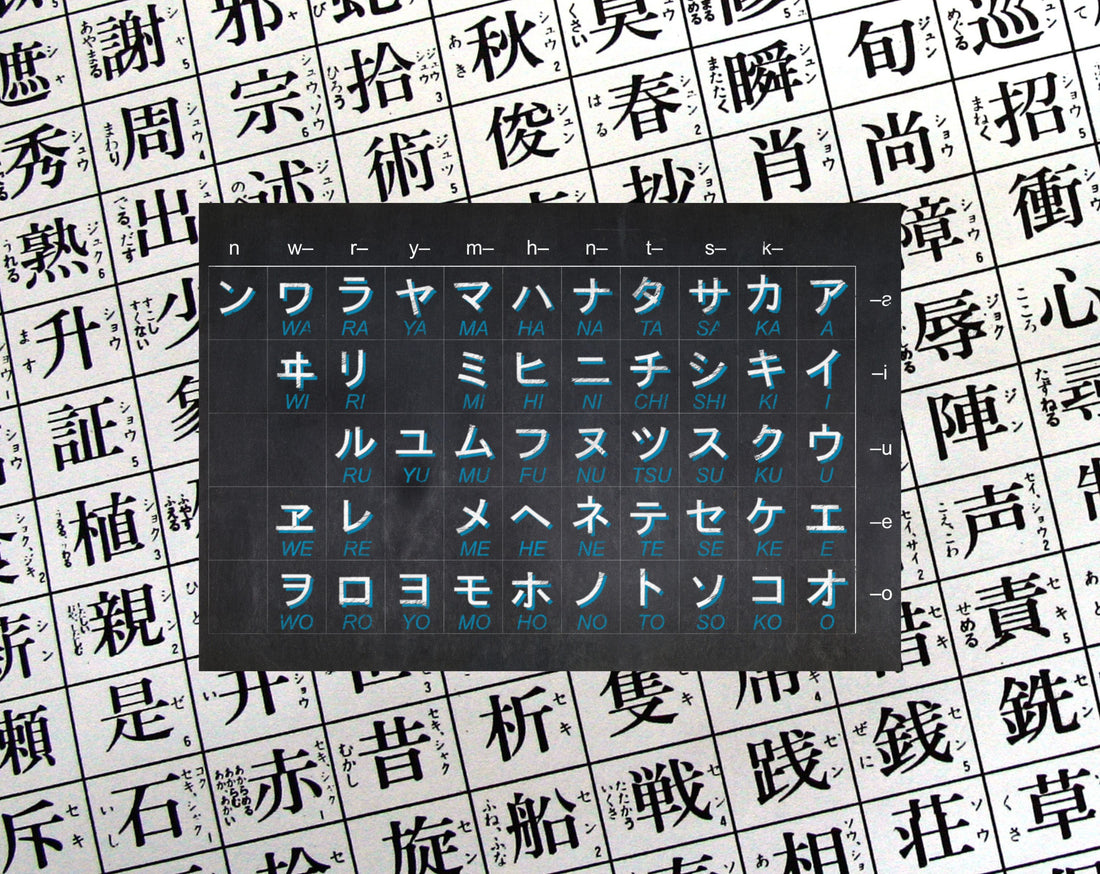
Japanese employs three main writing styles: hiragana, katakana, and kanji. Hiragana is relatively easy, and katakana is not too difficult either, but kanji poses significant challenges for many Japanese learners.
One fascinating aspect of kanji is that each character carries a profound meaning and reading, enabling the expression of complex concepts with just one character.
Katakana, on the other hand, is primarily used to represent foreign cultures or objects that are new to Japan. For instance, when there is no traditional Japanese equivalent for a word like "ice cream," it is expressed in katakana as "ice cream / aisukurimu."
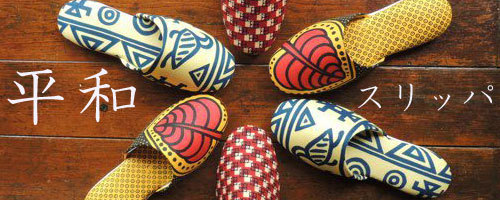
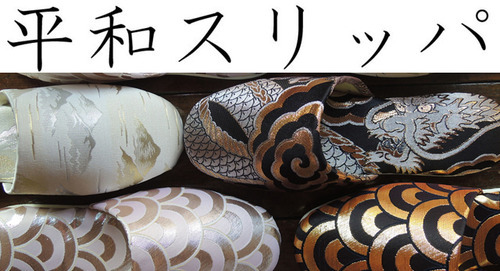
The brand name "Heiwa Slipper 平和スリッパ" combines both kanji and katakana. "Heiwa" means "peace," written in kanji as 平和. Each kanji character has its own distinct meaning, and combining two kanji can create entirely different meanings.
The kanji "平" means "level," "fair," and "normal," while "和" (Wa) means "peaceful," "harmonious," "getting along well with others," and "Japanese." Together, they form a kanji character that represents peace.
Interestingly, the Japanese reading of the English word "slippers" is used as "スリッパ" (supurippa) in katakana. However, it slightly differs from the Japanese word for "slipper," which mainly refers to "indoor footwear in general." The plural form is rarely used in katakana, so "slippers" is sometimes used instead of "slipper."
Kanji and katakana each have their intriguing backgrounds and play essential roles in the Japanese language.
We hope you find Japanese slippers appealing and cherish the comfort they bring when wearing your favorite pair.
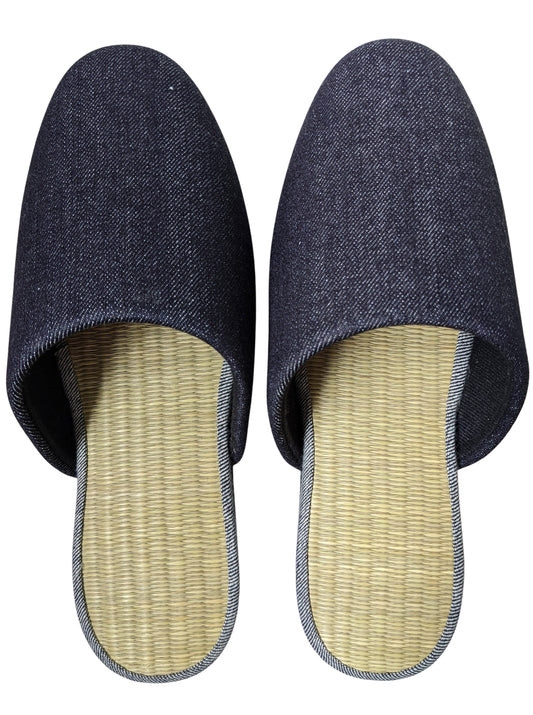


![TATAMI Denim Slippers B-Type [Black Wool Felt Sole] / Simple [Denim Hiroshima] - Heiwa Slipper](http://heiwaslipper.com/cdn/shop/products/PXL_20220625_014342749.jpg?v=1656474603&width=533)
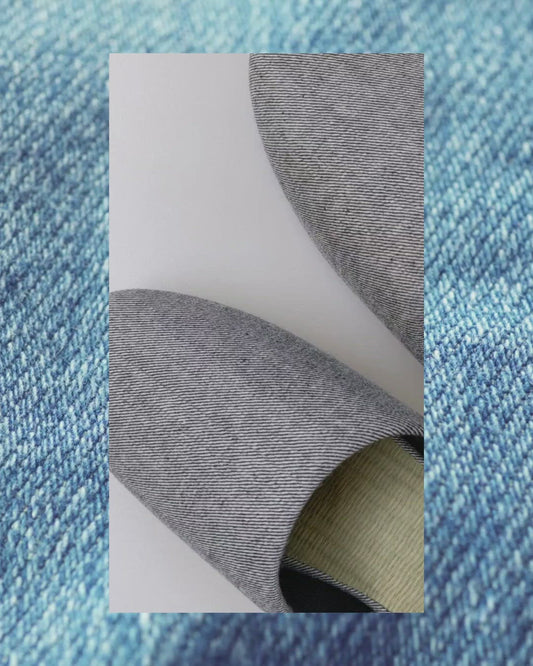


![Wood summer Indoor slippers YORU [Indoor] - Heiwa Slipper](http://heiwaslipper.com/cdn/shop/products/PXL_20220305_023859778_b6eb97cf-5b3f-4cb3-8b27-dc6175a726a3.jpg?v=1676772560&width=533)
![Wood summer Indoor slippers YORU [Indoor] - Heiwa Slipper](http://heiwaslipper.com/cdn/shop/products/221dbc310353bfdfe8747210eafe6a96_9611d4d2-ef9b-4b06-b357-9f4f825470c8.jpg?v=1676772560&width=533)
![Wood Unpainted Natural GETA ZOURI Slippers [Outdoor] - Heiwa Slipper](http://heiwaslipper.com/cdn/shop/products/PXL_20230205_021218589.jpg?v=1675997531&width=533)
![木製 未上漆 自然色 GETA ZOURI 拖鞋 [Outdo或]](http://heiwaslipper.com/cdn/shop/products/4bd6786738cd4777af9a25d3005e7fec.thumbnail.0000000000.jpg?v=1675736665&width=533)
![Black Wood painted GETA Slippers [Outdoor / Indoor] - Heiwa Slipper](http://heiwaslipper.com/cdn/shop/products/PXL_20230205_014733671.jpg?v=1676343138&width=533)
![黑色 木製 上漆 GETA 拖鞋 [Outdo或 / 室內]](http://heiwaslipper.com/cdn/shop/products/6743267dad824b0787df8618829f743d.thumbnail.0000000000.jpg?v=1676341291&width=533)
![Uwabaki Type #01 [Cobalt blue] Japan made school indoor shoes - Heiwa Slipper](http://heiwaslipper.com/cdn/shop/files/1_774e840e-b3c1-4a23-b85f-df7b8ceacf02.jpg?v=1734232769&width=533)
![Uwabaki Type #01 [Cobalt blue] Japan made school indoor shoes - Heiwa Slipper](http://heiwaslipper.com/cdn/shop/files/2_e1a26258-95fd-461d-a07c-a2028b8334c0.jpg?v=1734232769&width=533)
![Uwabaki Type #01 [Blue] Japan made school indoor shoes - Heiwa Slipper](http://heiwaslipper.com/cdn/shop/files/1_b6310388-146d-4db8-8fc6-9efea05e5cdd.jpg?v=1730601209&width=533)
![Uwabaki 類型 #01 [藍色] 日本 made school 室內 shoes](http://heiwaslipper.com/cdn/shop/files/preview_images/00ddc0ebe039486ba930ba1484c6abff.thumbnail.0000000000.jpg?v=1730601987&width=533)

![Uwabaki 類型 #01 [白色] 日本 made school 室內 shoes](http://heiwaslipper.com/cdn/shop/files/preview_images/8b07db1bea8544409ca9b26f3995178f.thumbnail.0000000000.jpg?v=1716774889&width=533)
![Uwabaki Type #01 [Red] Japan made school indoor shoes - Heiwa Slipper](http://heiwaslipper.com/cdn/shop/files/1_b6a613f3-7a33-4747-b00f-9af7dd1dce5f.jpg?v=1734234054&width=533)
![Uwabaki Type #01 [Red] Japan made school indoor shoes - Heiwa Slipper](http://heiwaslipper.com/cdn/shop/files/2_d39644c6-6955-4644-98c4-0b1fde3d6db2.jpg?v=1734234054&width=533)
![* Pre-order *TATAMI Denim Slippers B-Type [Black Wool Felt Sole] / Simple [Denim Hiroshima] - Heiwa Slipper](http://heiwaslipper.com/cdn/shop/products/pre.jpg?v=1672973100&width=533)
![* Pre-order *TATAMI Denim Slippers B-Type [Black Wool Felt Sole] / Simple [Denim Hiroshima] - Heiwa Slipper](http://heiwaslipper.com/cdn/shop/products/PXL_20220625_014342749.webp?v=1672973100&width=533)
![Medium | 針織 升級再造 拖鞋 2024-M120 [Medium]](http://heiwaslipper.com/cdn/shop/files/1_74e6bb20-9457-4005-b920-1da4aa2fc0d3.jpg?v=1731672250&width=533)
![Medium | 針織 升級再造 拖鞋 2024-M120 [Medium]](http://heiwaslipper.com/cdn/shop/files/4_787e681d-8081-496a-bc25-b24dab67d34f.jpg?v=1731672250&width=533)
![Medium | 針織 升級再造 拖鞋 2024-M119 [Medium]](http://heiwaslipper.com/cdn/shop/files/1_f559f61a-b720-4b6c-9379-974266bdddeb.jpg?v=1731671453&width=533)
![Medium | 針織 升級再造 拖鞋 2024-M119 [Medium]](http://heiwaslipper.com/cdn/shop/files/5_c7010731-884e-4374-a501-69bce7f7164a.jpg?v=1731671453&width=533)
![Medium | 針織 升級再造 拖鞋 2024-M118 [Medium]](http://heiwaslipper.com/cdn/shop/files/1_4f7f701e-bcb4-469a-b9bc-7cfbec1bf50f.jpg?v=1731670790&width=533)
![Medium | 針織 升級再造 拖鞋 2024-M118 [Medium]](http://heiwaslipper.com/cdn/shop/files/4_5526ef4a-899c-4a92-843e-bd5022a7b922.jpg?v=1731670789&width=533)
![Medium | 針織 升級再造 拖鞋 2024-M117 [Medium]](http://heiwaslipper.com/cdn/shop/files/1_da150a42-c6f5-4fc7-95cc-696990456578.jpg?v=1731669514&width=533)
![Medium | 針織 升級再造 拖鞋 2024-M117 [Medium]](http://heiwaslipper.com/cdn/shop/files/4_c8f22448-bb97-4d00-909b-713256757b57.jpg?v=1731669513&width=533)
![Medium | Knit up-cycle slippers 2024-M116 [Medium] - Heiwa Slipper](http://heiwaslipper.com/cdn/shop/files/1_77365f74-aab6-4356-9b7f-90ba42d47f4e.jpg?v=1731668957&width=533)
![Medium | Knit up-cycle slippers 2024-M116 [Medium] - Heiwa Slipper](http://heiwaslipper.com/cdn/shop/files/5_d910f8da-39c2-4f8f-83f2-f67a4efd89ad.jpg?v=1731668957&width=533)
![Medium | 針織 升級再造 拖鞋 2024-M115 [Medium]](http://heiwaslipper.com/cdn/shop/files/1_22b912db-7a3b-4e60-9efa-290d27cbf2de.jpg?v=1731642622&width=533)
![Medium | 針織 升級再造 拖鞋 2024-M115 [Medium]](http://heiwaslipper.com/cdn/shop/files/2_59ac7cff-bc23-425e-8ad6-2753017e34b9.jpg?v=1731642622&width=533)
![Medium | 針織 升級再造 拖鞋 2024-M114 [Medium]](http://heiwaslipper.com/cdn/shop/files/1_23cd6836-0c59-41e8-b11e-5f1b9a9e1db4.jpg?v=1731641964&width=533)
![Medium | 針織 升級再造 拖鞋 2024-M114 [Medium]](http://heiwaslipper.com/cdn/shop/files/5_63997f3b-9e8b-406d-a486-361737300d21.jpg?v=1731641963&width=533)
![Medium | 針織 升級再造 拖鞋 2024-M113 [Medium]](http://heiwaslipper.com/cdn/shop/files/1_a377de3c-c6f5-4868-bf59-1ad164dd6c67.jpg?v=1731641270&width=533)
![Medium | 針織 升級再造 拖鞋 2024-M113 [Medium]](http://heiwaslipper.com/cdn/shop/files/4_b70af802-9ca5-43bb-8036-d5e8141d55c1.jpg?v=1731641270&width=533)
![Medium | 針織 升級再造 拖鞋 2024-M112 [Medium]](http://heiwaslipper.com/cdn/shop/files/1_2b43d953-aa8c-49ca-9f11-f88334b75ed5.jpg?v=1731639427&width=533)
![Medium | 針織 升級再造 拖鞋 2024-M112 [Medium]](http://heiwaslipper.com/cdn/shop/files/4_c6a2d9e1-8c7a-4060-9950-17817b75ac96.jpg?v=1731639427&width=533)
![Medium | 針織 升級再造 拖鞋 2024-M111 [Medium]](http://heiwaslipper.com/cdn/shop/files/1_99a9047c-a2fd-4843-84d3-2225abfca327.jpg?v=1731638613&width=533)
![Medium | 針織 升級再造 拖鞋 2024-M111 [Medium]](http://heiwaslipper.com/cdn/shop/files/2_47aebdf4-72c8-417e-b084-11ecb43fb627.jpg?v=1731638613&width=533)
![Medium | 針織 升級再造 拖鞋 2024-M110 [Medium]](http://heiwaslipper.com/cdn/shop/files/1_5ce71ce4-d1e1-4e4b-926e-965373d6f956.jpg?v=1731587890&width=533)
![Medium | 針織 升級再造 拖鞋 2024-M110 [Medium]](http://heiwaslipper.com/cdn/shop/files/4_83216e03-5cbf-4018-be81-db22572f752a.jpg?v=1731587890&width=533)
![Medium | 針織 升級再造 拖鞋 2024-M109 [Medium]](http://heiwaslipper.com/cdn/shop/files/1_39fbaa6d-d89d-4252-ba57-4ab08c97e18b.jpg?v=1731587213&width=533)
![Medium | 針織 升級再造 拖鞋 2024-M109 [Medium]](http://heiwaslipper.com/cdn/shop/files/4_69c82117-f469-413e-a9e1-b65ee9be909a.jpg?v=1731587212&width=533)
![Uwabaki Type #01 [Yellow] Japan made school indoor shoes - Heiwa Slipper](http://heiwaslipper.com/cdn/shop/files/PXL_20231203_013919940_2cb6643e-3792-4570-a478-48e9292dd66e.jpg?v=1716433566&width=533)
![Uwabaki Type #01 [Yellow] Japan made school indoor shoes - Heiwa Slipper](http://heiwaslipper.com/cdn/shop/files/PXL_20231203_013924997_6ec89008-e83d-49be-a754-189a4394f3d7.jpg?v=1716433310&width=533)
![Uwabaki 類型 #01 [綠色] 日本 made school 室內 shoes](http://heiwaslipper.com/cdn/shop/files/1_0e97bd6f-50fa-4892-865f-d3a8de9c6c47.jpg?v=1730601600&width=533)
![Uwabaki 類型 #01 [綠色] 日本 made school 室內 shoes](http://heiwaslipper.com/cdn/shop/files/preview_images/a0e1cab212ce428ea71baffd633ef028.thumbnail.0000000000.jpg?v=1730602087&width=533)